

Memory, Meaning, Emotion
and the Quiet Work of Rewriting a Life

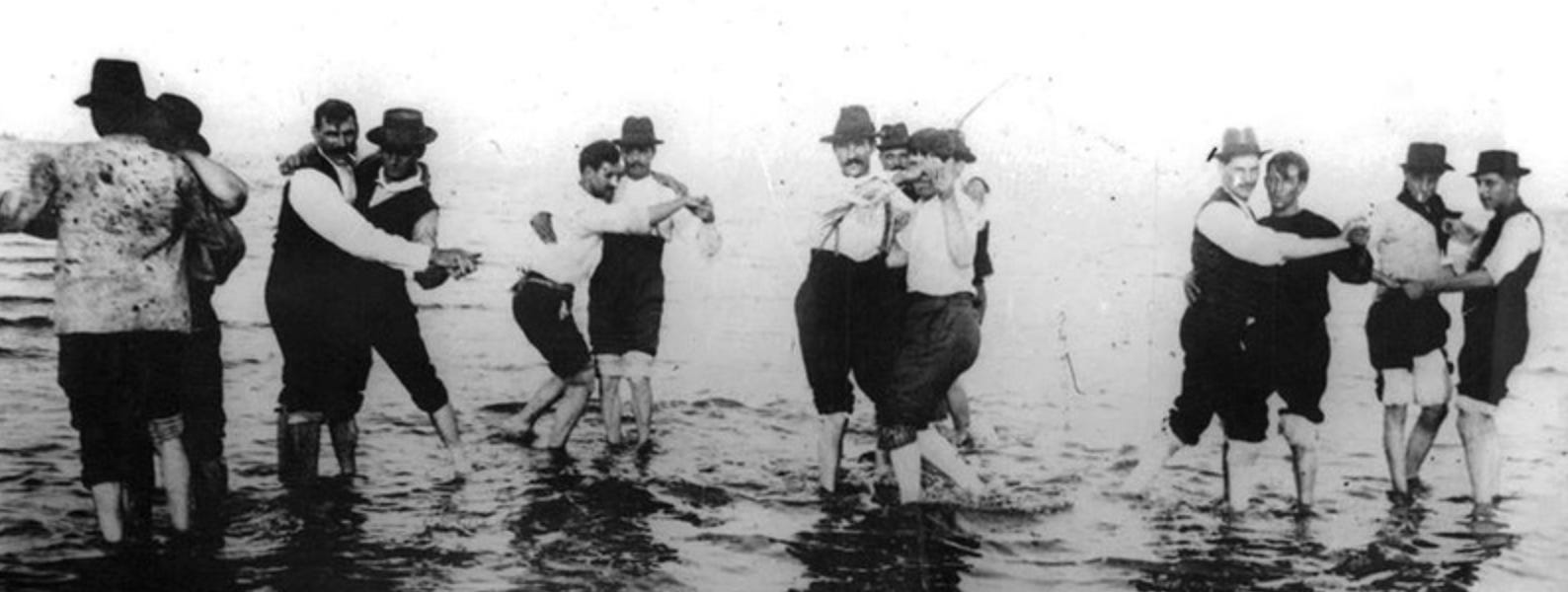
For many years, one of my hobbies has been dancing the Argentine tango. I’ve worked with my teacher for several years, and over time we have become friends. We often found ourselves attending the same tango parties and would have a dance together when we were there. Recently, I attended a party, and he was there, but he never asked me to dance. I was very upset.
The explanation appeared instantly. He doesn’t value me. I’m not important. I’ve done something wrong. The emotional pain felt undeniable.
Later, I learned the fact. He had injured his ankle and wasn’t dancing at all.
The upset was real.
The meaning wasn’t.
What I experienced as rejection wasn’t a direct emotional truth. It was a patterned response, generated by an old filter that interpreted absence as personal rejection. The event automatically passed through that filter. The body reacted. Emotion followed. Thought explained.
At no point did the system pause to check facts.
This is why unresolved trauma matters. Trauma doesn’t live as memory alone. It lives as a filter. It shapes how sensation is interpreted before conscious awareness can intervene. Until that filter is examined and softened, present events are continually misread as echoes of the past.
This is also why people feel out of control. They believe they’re reacting to reality when they’re actually reacting to a pattern that once made sense.
The emotion isn’t wrong.
The interpretation is outdated.
We have been taught a version of reality that doesn’t match how the human mind actually works. Most of us were raised to believe that memory records what happened, that perception is objective, that thoughts tell the truth, and that emotions are reliable reactions to reality. Implicit in this belief is the idea that everything we experience is captured and stored intact, as if by a camera, ready for future recall. When our inner experience doesn’t cooperate with that model, we assume something is wrong with us. We feel unhappy, unsettled, or out of control, often without knowing why.
The problem isn’t weakness. The problem is the model.
Reality is subjective. Facts aren’t. Facts are events. Something happened. Words were spoken. A body moved. Reality is the meaning the nervous system assigns to those facts so that we can function. Meaning isn’t discovered. It is constructed. When we confuse facts with reality, we expect our emotional experience to reflect something stable and external. When it doesn’t, we feel destabilized.
This confusion is especially visible in the legal system, where eyewitnesses frequently disagree despite sincere intent. The phenomenon is so well known it has a name: the Rashomon effect, drawn from Akira Kurosawa’s film Rashomon. In the film, a single violent incident is described through four incompatible testimonies. Each account is internally consistent. Each witness is convinced of their version. They can’t all be factually accurate.The film didn’t invent the problem. It revealed it.
Neuroscience explains why this happens. Memory isn’t a recording device. It doesn’t function like a camera that captures events for later playback. Memory is reconstructive. Each time we remember, the brain doesn’t retrieve a stored event. It rebuilds the experience in the present moment using fragments of sensory information, emotional relevance, and current belief. In that sense, memory is a story, not a camera. The hippocampus supplies contextual pieces. The amygdala assigns emotional weight, particularly around threat and safety. The prefrontal cortex organizes these elements into a coherent narrative.
Memory’s function isn’t accuracy. Its function is survival and coherence. Each act of remembering is also an act of interpretation.
The same neural systems involved in memory are involved in imagination. Remembering the past and imagining the future rely on overlapping circuitry. The brain doesn’t sharply distinguish between what happened and what might happen. Both are simulations designed to guide behavior. This is why imagination isn’t fantasy and memory isn’t truth. We are constantly reconstructing our lives, even when we believe we’re simply recalling them.
This misunderstanding leads directly to emotional confusion. We are taught that our emotions are reactions to events. That if we feel hurt, angry, or afraid, it must be because something hurtful, threatening, or unjust occurred. Neuroscience tells a more complicated story. What we experience as emotion is often not a direct feeling at all. It is a patterned response.
True feeling begins in the body. Sensation. Tightness. Warmth. Collapse. Energy. These signals are neutral. They carry information, not meaning. Meaning arrives later. What we usually call our emotional reaction is the interpretation of those bodily signals through a learned filter. That filter is built from past experience, particularly experiences that involved fear, loss, or helplessness.
When a familiar pattern is activated, the body reacts immediately. The nervous system prepares for danger. Emotion follows, but it’s already shaped. Thought arrives last to explain what has already happened. By the time we notice what we’re feeling, the experience has been translated into a story.
This is why our reactions feel so convincing. And why they aren’t always accurate.
This is where writing becomes essential.
Writing isn’t only about expression or catharsis. It is about separation. When thoughts and emotions remain internal, they feel fused and authoritative. When written, they slow down. They become observable. Writing allows us to distinguish between sensation, interpretation, and story.
On the page, it becomes possible to see that what we thought was a feeling was actually a conclusion. We can identify the filter through which the facts passed. We can notice where trauma supplied meaning automatically.
This isn’t intellectual insight. It is nervous system relief.
Through writing, a distinction emerges between the patterned self and the true self. The patterned self speaks in fixed identities. “I’m the kind of person who…” “I’ve always been someone who…” These statements feel solid because the patterns repeat. Repetition creates the illusion of identity.The true self isn’t fixed. It is responsive. It is what remains when interpretation loosens. It isn’t a noun. It is a process, more like a verb.
The brain prefers the patterned self because patterns reduce uncertainty. Even painful patterns feel safer than ambiguity. When we say “that’s just how I am,” the nervous system relaxes. The story is settled. Nothing new is required. But nothing new can happen.Change begins when facts are separated from story, and feeling is separated from reaction. When this happens, emotional intensity often decreases without force. The amygdala quiets. The prefrontal cortex regains influence. Flexibility returns.
Writing is the tool that makes this possible. You can’t revise a filter you can’t see. Once the filter is visible, it loses authority. Choice becomes available.
Revising a story isn’t about denying the past. It is about updating the meaning that predicts the future. The brain changes through revised prediction, not willpower. When predictions change, behavior changes. When behavior changes, life follows. The future isn’t shaped by optimism. It is shaped by clarity.
True control doesn’t feel rigid. It feels spacious. It feels like responding rather than reacting. It feels like no longer mistaking patterned emotion for truth.
Once you understand that much of what you felt wasn’t feeling but a pre-patterned interpretation, you are no longer ruled by it. You are free to experience what is happening now, rather than what once had to be feared. That isn’t reinvention. It is freedom.
I’m sure another event like this will happen again. Someone won’t show up in the way I expect. An invitation won’t be extended. Silence will arrive and ask to be interpreted. That is how life works. But now, before I get upset, there’s another step available to me. I can pause long enough to look at the facts. Not what does this mean about me? Not what story is forming. Just the facts of the experience. Maybe the answer will still hurt. Maybe it won’t change anything. But it will belong to the present, not to an old pattern reaching forward for confirmation.
My ability to pause isn’t detachment. It is accuracy. And accuracy is kinder than the stories we learned to tell when we didn’t yet know how they were made.
That is what writing returns to us. Not certainty. Not control over events. Just the ability to see where meaning begins, and to decide, quietly, whether we want to keep telling the same story.
We have been taught a version of reality that doesn’t match how the human mind actually works. Most of us were raised to believe that memory records what happened, that perception is objective, that thoughts tell the truth, and that emotions are reliable reactions to reality. Implicit in this belief is the idea that everything we experience is captured and stored intact, as if by a camera, ready for future recall. When our inner experience doesn’t cooperate with that model, we assume something is wrong with us. We feel unhappy, unsettled, or out of control, often without knowing why.
The problem isn’t weakness. The problem is the model.
Reality is subjective. Facts aren’t. Facts are events. Something happened. Words were spoken. A body moved. Reality is the meaning the nervous system assigns to those facts so that we can function. Meaning isn’t discovered. It is constructed. When we confuse facts with reality, we expect our emotional experience to reflect something stable and external. When it doesn’t, we feel destabilized.
This confusion is especially visible in the legal system, where eyewitnesses frequently disagree despite sincere intent. The phenomenon is so well known it has a name: the Rashomon effect, drawn from Akira Kurosawa’s film Rashomon. In the film, a single violent incident is described through four incompatible testimonies. Each account is internally consistent. Each witness is convinced of their version. They can’t all be factually accurate.The film didn’t invent the problem. It revealed it.
Rashomon (1950) Full Movie | Akira Kurosawa | English Subtitles
Neuroscience explains why this happens. Memory isn’t a recording device. It doesn’t function like a camera that captures events for later playback. Memory is reconstructive. Each time we remember, the brain doesn’t retrieve a stored event. It rebuilds the experience in the present moment using fragments of sensory information, emotional relevance, and current belief. In that sense, memory is a story, not a camera. The hippocampus supplies contextual pieces. The amygdala assigns emotional weight, particularly around threat and safety. The prefrontal cortex organizes these elements into a coherent narrative.
Memory’s function isn’t accuracy. Its function is survival and coherence. Each act of remembering is also an act of interpretation.
The same neural systems involved in memory are involved in imagination. Remembering the past and imagining the future rely on overlapping circuitry. The brain doesn’t sharply distinguish between what happened and what might happen. Both are simulations designed to guide behavior. This is why imagination isn’t fantasy and memory isn’t truth. We are constantly reconstructing our lives, even when we believe we’re simply recalling them.
This misunderstanding leads directly to emotional confusion. We are taught that our emotions are reactions to events. That if we feel hurt, angry, or afraid, it must be because something hurtful, threatening, or unjust occurred. Neuroscience tells a more complicated story. What we experience as emotion is often not a direct feeling at all. It is a patterned response.
True feeling begins in the body. Sensation. Tightness. Warmth. Collapse. Energy. These signals are neutral. They carry information, not meaning. Meaning arrives later. What we usually call our emotional reaction is the interpretation of those bodily signals through a learned filter. That filter is built from past experience, particularly experiences that involved fear, loss, or helplessness.
When a familiar pattern is activated, the body reacts immediately. The nervous system prepares for danger. Emotion follows, but it’s already shaped. Thought arrives last to explain what has already happened. By the time we notice what we’re feeling, the experience has been translated into a story.
This is why our reactions feel so convincing. And why they aren’t always accurate.
This is where writing becomes essential. Writing isn’t only about expression or catharsis. It is about separation. When thoughts and emotions remain internal, they feel fused and authoritative. When written, they slow down. They become observable. Writing allows us to distinguish between sensation, interpretation, and story.
On the page, it becomes possible to see that what we thought was a feeling was actually a conclusion. We can identify the filter through which the facts passed. We can notice where trauma supplied meaning automatically.
This isn’t intellectual insight. It is nervous system relief.
Through writing, a distinction emerges between the patterned self and the true self. The patterned self speaks in fixed identities. “I’m the kind of person who…” “I’ve always been someone who…” These statements feel solid because the patterns repeat. Repetition creates the illusion of identity.The true self isn’t fixed. It is responsive. It is what remains when interpretation loosens. It isn’t a noun. It is a process, more like a verb.
The brain prefers the patterned self because patterns reduce uncertainty. Even painful patterns feel safer than ambiguity. When we say “that’s just how I am,” the nervous system relaxes. The story is settled. Nothing new is required. But nothing new can happen.Change begins when facts are separated from story, and feeling is separated from reaction. When this happens, emotional intensity often decreases without force. The amygdala quiets. The prefrontal cortex regains influence. Flexibility returns.
Writing is the tool that makes this possible. You can’t revise a filter you can’t see. Once the filter is visible, it loses authority. Choice becomes available.
Revising a story isn’t about denying the past. It is about updating the meaning that predicts the future. The brain changes through revised prediction, not willpower. When predictions change, behavior changes. When behavior changes, life follows. The future isn’t shaped by optimism. It is shaped by clarity.
True control doesn’t feel rigid. It feels spacious. It feels like responding rather than reacting. It feels like no longer mistaking patterned emotion for truth.
Once you understand that much of what you felt wasn’t feeling but a pre-patterned interpretation, you are no longer ruled by it. You are free to experience what is happening now, rather than what once had to be feared. That isn’t reinvention. It is freedom.
I’m sure another event like this will happen again. Someone won’t show up in the way I expect. An invitation won’t be extended. A silence will arrive and ask to be interpreted. That is how life works. But now, before I get upset, there’s another step available to me. I can pause long enough to look at the facts. Not what does this mean about me. Not what story is forming. Just the facts of the experience.Maybe the answer will still hurt. Maybe it won’t change anything. But it will belong to the present, not to an old pattern reaching forward for confirmation.
My ability to pause isn’t detachment. It is accuracy. And accuracy is kinder than the stories we learned to tell when we didn’t yet know how they were made.
That is what writing returns to us. Not certainty. Not control over events. Just the ability to see where meaning begins, and to decide, quietly, whether we want to keep telling the same story.
Illustrations:
Antique photo of men dancing in a river
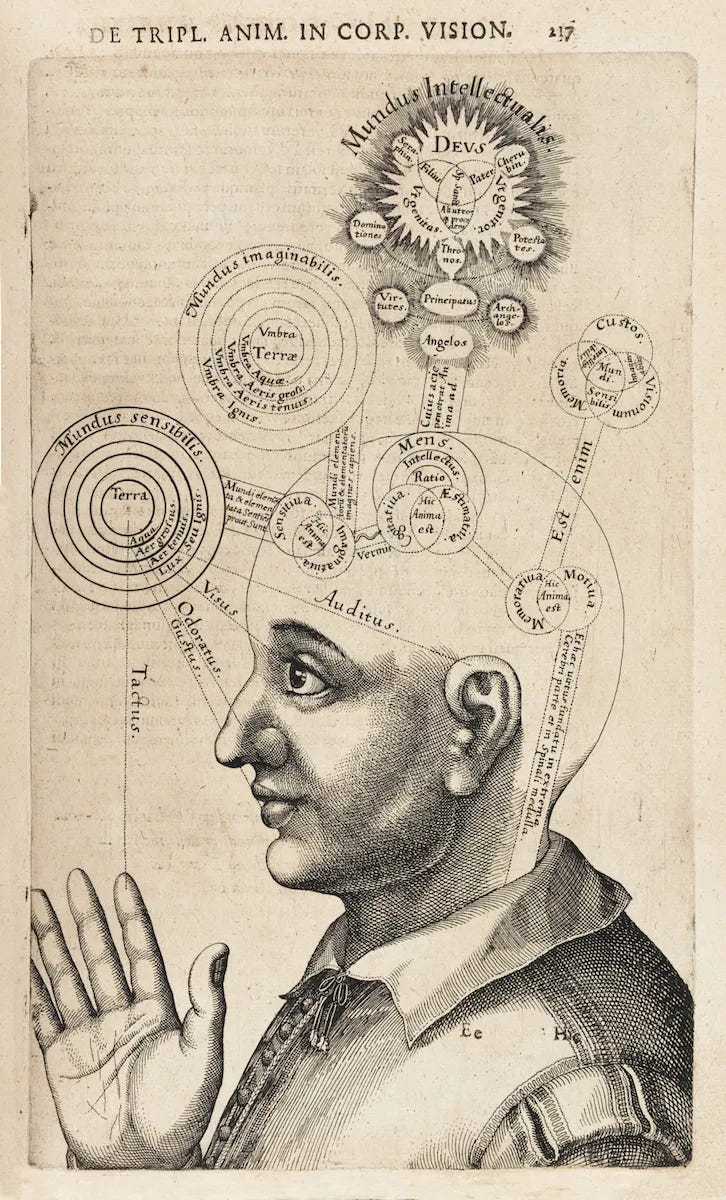
Diagram of the Human Mind